Hiking
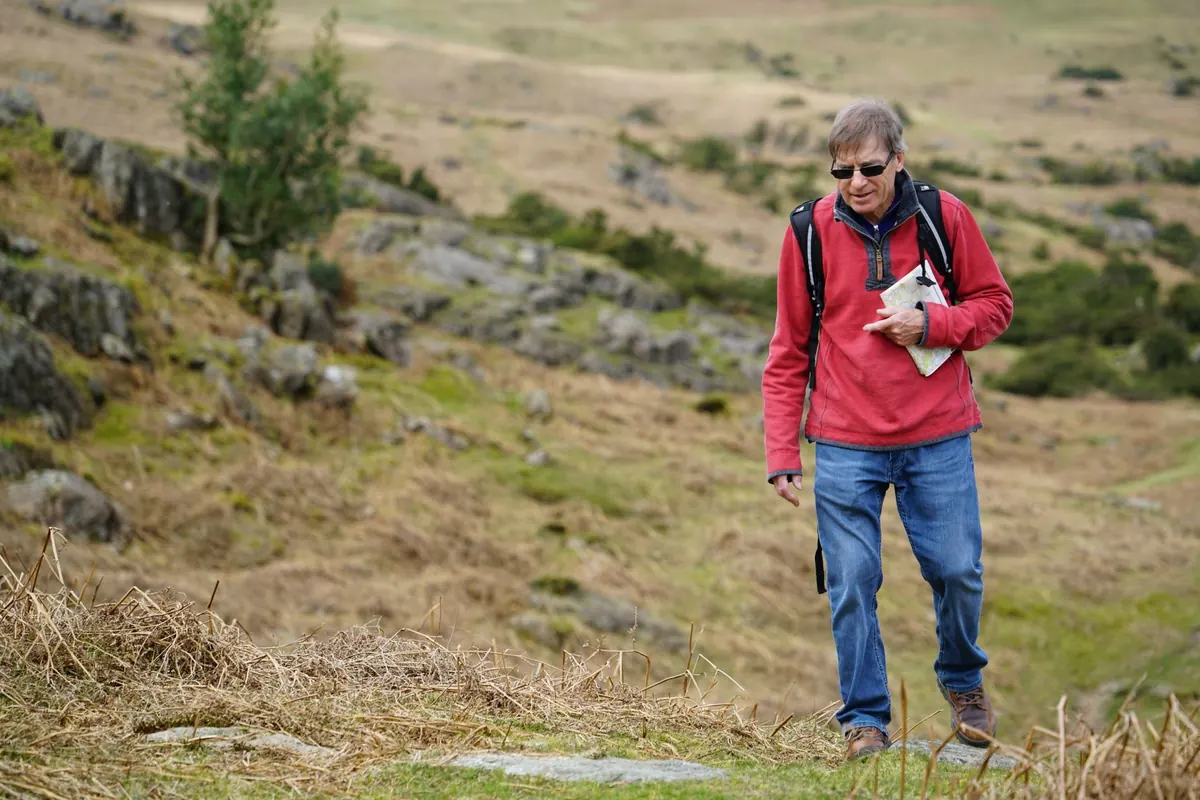
Common Mistakes on Hill Walks: 10 Errors That Ruin Your Day Out
A hill day rarely falls apart in one dramatic moment. More often it unravels through small decisions: a later start than planned, a waterproof left in the car, a pace that feels fine for the first kilometre and punishing by the third. None seem serious alone. Together they turn a good day out into a long slog — or a walk that finishes in the dark. Here are the errors that catch out hillwalkers most often, and the habits that prevent them.
Starting too late and ignoring the daylight clock
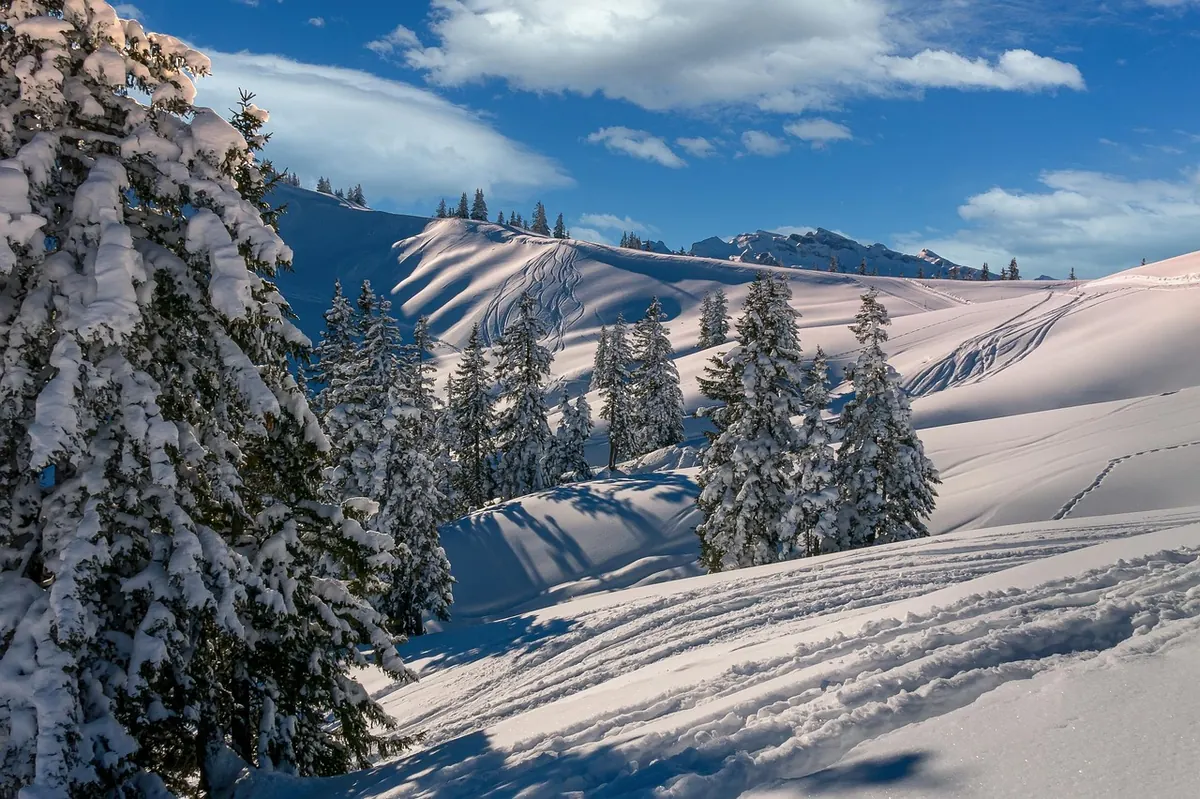
The hills do not care that you left home early if you then spent an hour parking and faffing with kit. Daylight is the real deadline. In winter, a 10am start on a six-hour route leaves no margin for a wrong turn, a slow descent or a twisted ankle. In Scotland in December, that margin is less than nothing: sunset arrives before 4pm and the last hour of light is spent in a shadowed glen rather than on a ridge.
Work backwards from sunset. Allow extra time for ascent, rough ground, food and the fact that descents are often slower than they look on the map. Set a turn-around time, not just a summit target. If you have not reached the top by then, you turn around. Tell someone your route and expected return time. Carry a headtorch with fresh batteries even on a short summer walk; the one time you need it is the one time it will be sitting in a drawer at home.
Dressing for the car park, not the summit
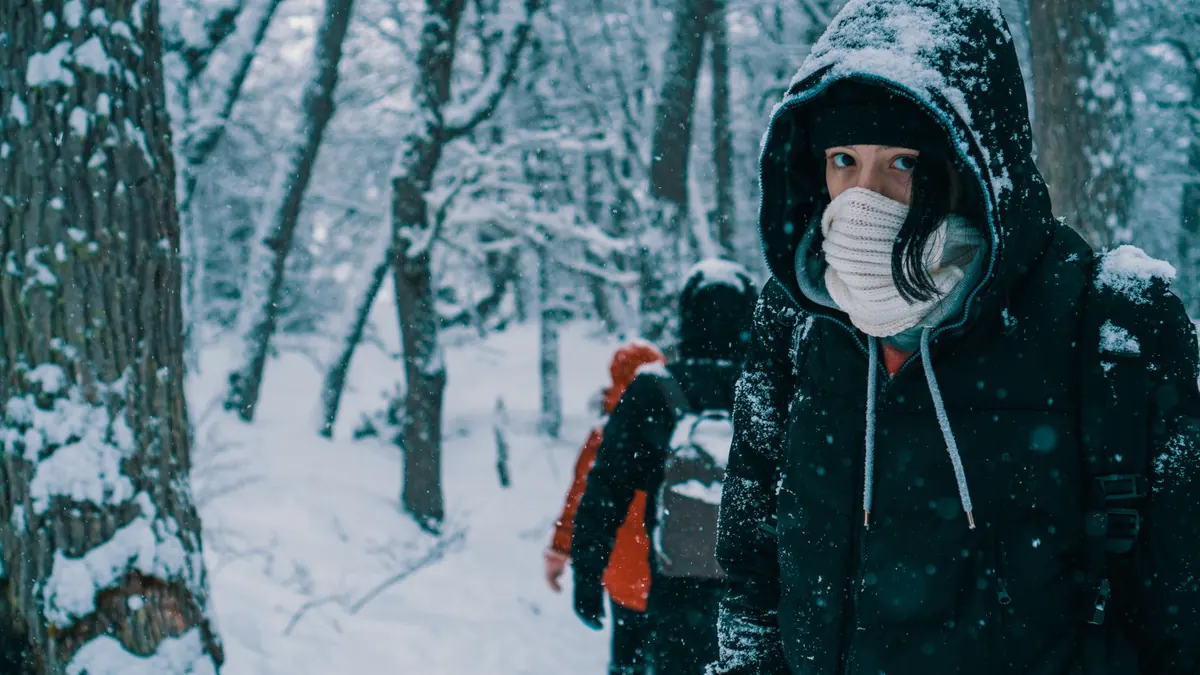
The trailhead is warm, sheltered and sunny. Six hundred metres higher it is ten degrees colder, windier and in cloud. The classic error is setting off in a t-shirt and shorts with a waterproof buried at the bottom of the pack, then spending the day too cold to stop and eat properly.
Temperature drops roughly one degree for every 150 metres of ascent, before wind chill is added. A 20mph wind on a 5°C summit feels closer to freezing. Pack layers you can add and remove without stopping for long:
- A base layer that moves sweat away rather than holding it
- A warm mid-layer, fleece or synthetic, that works even when damp
- A windproof and waterproof shell that lives near the top of your pack, not the bottom
- Hat and gloves, even in July — cold hands make map work and buckle-fiddling miserable
- Spare dry layer kept in a dry bag for the summit or an emergency
If you find yourself stopping to add a layer every twenty minutes, you are probably wearing too much on the move and losing heat on every stop.
Navigating by phone alone
A phone is a brilliant map, right up until the battery dies in the cold, the screen cracks on a rock, or a wet finger refuses to register on it. Treat it as a backup rather than a primary tool. Carry a paper map and compass, and know how to use them together — not just how to read a bearing, but how to relocate yourself when the path vanishes into a bog.
The related error is following a GPS line without looking up. Apps route you down a straight line that ignores crags, walls and steep ground. If the map and the mountain disagree, the mountain wins.
Fuelling like it is a stroll in the park
A flat two-hour walk needs little more than water. Six hours of ascent, descent and boulder-hopping burns far more than most people expect. The mistake is waiting until you feel hungry or thirsty, by which point you are already behind.
Eat little and often — a handful of nuts or a flapjack every hour works better than one big, heavy lunch that leaves you sluggish. Drink before you are thirsty, and remember that in cold wind you can dehydrate without ever feeling hot. On a long day, a flask of something warm is worth far more than its weight.
Fatigue on the hill is usually a fuelling problem before it is a fitness problem.
Setting off too fast and suffering later
The first twenty minutes of a hill day feel wonderful: fresh legs, cold air, the summit looking close. Going hard at that point is a loan you repay at hour four, when the pace collapses and the group strings out along the ridge.
Start slower than feels natural and let the body warm into the effort. Walk at the pace of the slowest person in the group rather than pretending everyone is equally fit. If you are the slowest, say so early — it is far better than pretending and quietly falling behind on a descent.
Underestimating the descent
Many accidents happen on the way down, when concentration fades and knees are tired. Steep, loose ground demands the same attention as the climb. Shorten your stride, keep your weight over your feet, and do not let a "quick run down" turn into a twisted ankle two hours from the car.
A pre-walk routine that takes two minutes
Most of the errors above disappear with a short, repeated routine before you leave the car park:
- Check the forecast and the summit conditions, not just the valley
- Confirm the turn-around time and the route home
- Pack the shell, hat, gloves, headtorch, water and food at the top of the bag
- Send someone the plan, including your expected return
- Start with a layer less than you think you need
Red flags to watch for in your own day
Good hillwalkers are not the ones who never make mistakes; they are the ones who notice them early. Treat any of these as a signal to reassess rather than push on:
- You are behind schedule and still climbing
- You have not eaten or drunk anything in two hours
- Someone in the group has gone quiet or is lagging
- The weather is worsening and your route has no easy escape
- You are navigating by hope rather than by map
Turn around, eat something, add a layer, or change the plan. The summit will still be there next weekend. The habits that prevent a ruined day out are boring, small and repeated — which is exactly why they work.
Photo: Chris J Mitchell / Pexels