iGaming
Slots, Poker, and the Real Math Behind Your Betting Strategy
Most people lose at gambling for the same reason they lose at everything else: they mistake hope for strategy. A slots player chases a bonus that has already paid out three times that hour, a sports bettor doubles down on a team because "they're due," and a poker player calls with second pair because folding feels like quitting. The games don't care about your feelings. What they care about is math, timing, and your ability to recognize when you're the sucker at the table.
This isn't a lecture on quitting. It's a practical look at how the four pillars of iGaming — slots, casino table games, betting, and poker — actually behave, and where a sharp player can find an edge that the average punter never even looks for.
Slots: Understanding Volatility Before You Spend a Cent
Slot machines are the most misunderstood product in the entire iGaming ecosystem. Players either treat them as pure entertainment with no thought at all, or they fall into the opposite trap of believing there's a secret pattern in the reels. There isn't. But that doesn't mean every slot is the same, and the differences matter more than most people realize.
The two numbers that actually define a slot are RTP (Return to Player) and volatility. RTP is the theoretical percentage of all wagered money returned to players over millions of spins. A 96% RTP slot keeps 4% on average. A 94% slot keeps 6%. Over a long session, that gap matters. Most regulated markets require RTP to be published in the game info screen, so there's no excuse for not checking.
Volatility is the more practical number. It tells you how the payouts are distributed:
- Low volatility: frequent small wins, gentle bankroll swings. Good for long sessions on a small budget.
- Medium volatility: a balance of hit frequency and payout size. The default for most players.
- High volatility: rare but potentially huge payouts. A 500-spin drought is normal. Your bankroll needs to survive it.
A common mistake is playing a high-volatility slot with a bankroll built for low volatility. If you have 100 units to play with, loading a 10,000x max-win slot is a recipe for a quick exit. Match the game to the bankroll, not the other way around.
Table Games: Where the House Edge Is Small Enough to Matter
If you want the best odds in a casino, you don't go to the slots. You go to the tables — but only specific ones, played correctly. For practical tips, check out good88.
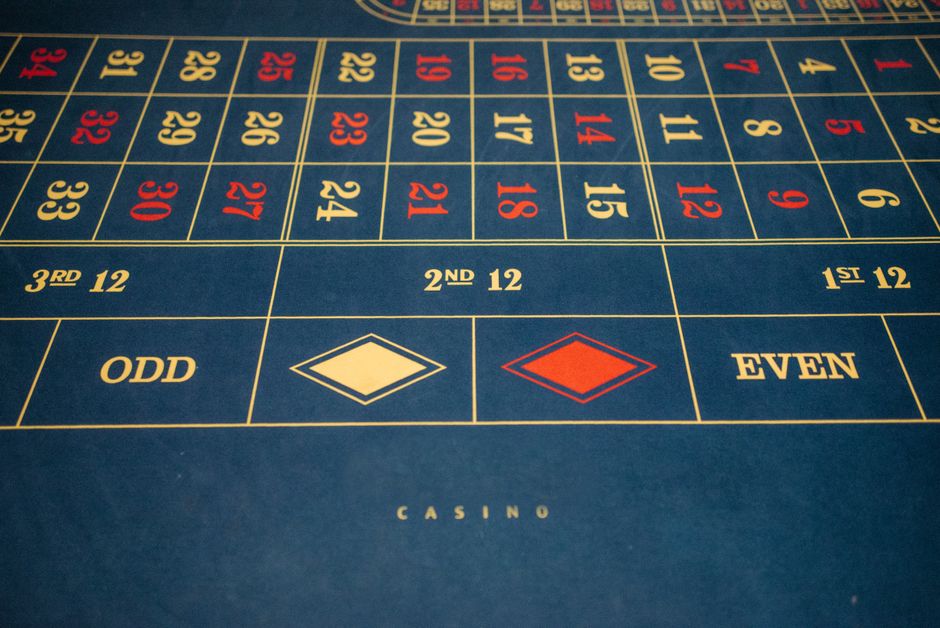
Blackjack with basic strategy sits around a 0.5% house edge. That's six times better than a typical slot. Baccarat, bet on the banker, sits at roughly 1.06%. Craps with the pass line and full odds can dip below 1%. Roulette is where people get lazy: European single-zero wheels carry a 2.7% edge, American double-zero wheels jump to 5.26%. That one extra green pocket nearly doubles the house's take, which is why serious players refuse to sit at American wheels.
The lesson here is that game selection alone can swing your expected loss by a factor of ten. A player betting $500 an hour at a 0.5% game expects to lose $2.50 on average. The same action on a 5% game expects to lose $25. Same bets, wildly different outcomes over time.
Then comes the discipline part. Basic strategy in blackjack is non-negotiable. Card counting is legal but increasingly difficult against modern continuous shufflers and detection software. If you're not willing to learn the chart cold, you're donating. There's no middle path.
Sports Betting: Line Shopping Is the Only Free Money
Sports betting has exploded in popularity, and with it a flood of bad habits. The single most valuable habit a bettor can build is line shopping. Different sportsbooks post different prices on the same event. A moneyline might be -115 at one book and -105 at another. Over a hundred bets, that ten-cent difference is real money.
Beyond line shopping, a few concrete principles separate profitable bettors from recreational ones:
- Bet the number, not the team. If you think a team is good but the line already reflects it, there's no value.
- Track every bet. Spreadsheet, app, notebook. If you don't know your actual ROI by sport and by bet type, you're guessing.
- Treat parlays as lottery tickets. They're fun, but the house edge compounds with every leg. A three-leg parlay at -110 each leg carries a massive edge against you.
- Ignore tipsters who don't show receipts. Verified records or nothing.
Live betting in particular rewards patience. Odds shift violently on single plays, and the sharpest bettors wait for overreactions — a fumble, a red card, a missed penalty — before striking.
Poker: The Only Game Where You Play the Opponent
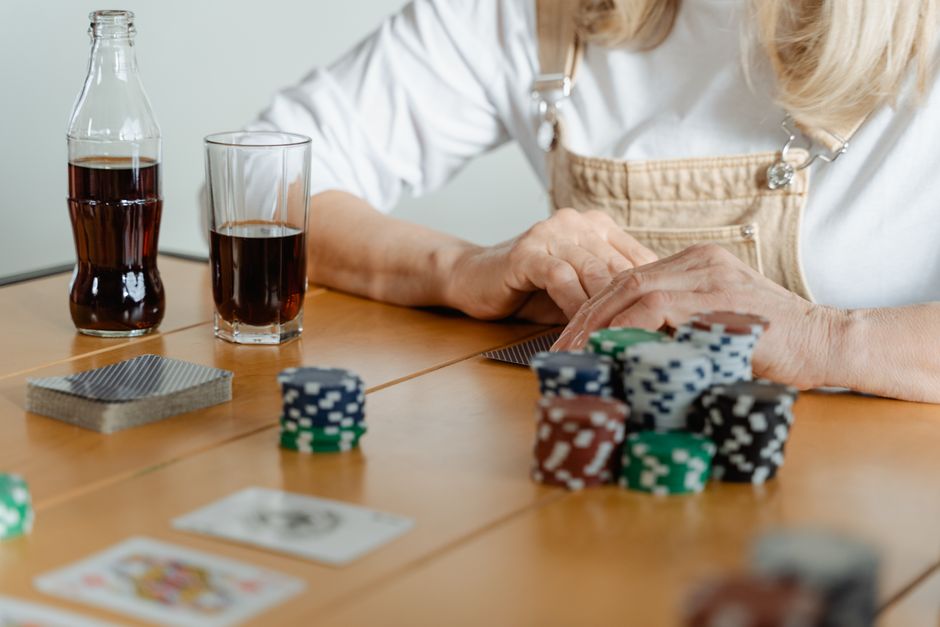
Poker is the outlier because you're not playing against the house. You're playing against other people, which means the edge is behavioral, not structural. That's both the opportunity and the trap.
At low stakes, the winning strategy is almost boring: play tight, value bet relentlessly, and don't bluff into players who never fold. Most low-stakes opponents call too much, so bluffing is burning money. At higher stakes, the dynamic flips — opponents fold too often in specific spots, and aggression becomes profitable.
The concepts that actually move the needle:
- Position: acting last gives you information on every street. A mediocre hand in position beats a good hand out of position.
- Pot odds and equity: know when a call is mathematically justified and when it's just curiosity.
- Bankroll management: 20 to 30 buy-ins for cash games, 50 to 100 for tournaments. Anything less and variance will end your run before skill can express itself.
- Table selection: the softest table in the room is worth more than any advanced play.
Poker rewards studying away from the table as much as playing at it. Solvers, hand history reviews, and honest self-assessment are what separate players who move up from those who tread water for years.
The Common Thread: Bankroll, Discipline, and Honest Records
Across every iGaming vertical, the same three things decide whether you're a long-term winner or a long-term donor. First, bankroll management — the size of your bets relative to your total funds. Second, discipline — sticking to your strategy when you're down and not loosening up when you're up. Third, record-keeping — because memory lies, and the spreadsheet doesn't.
None of this makes gambling risk-free. The house has an edge in every game except poker, and even there, most players lose. The point isn't to pretend you can beat the math every time. It's to recognize which games give you the best shot, which habits bleed money, and where the small edges actually live. Do that, and you'll be sharper than 90% of the people sitting next to you.
The games reward patience far more than they reward hope.